

Why high output can hide high threat (and what to do about it)
Question this article answers: Why do some of your strongest clients plateau, flare up, or feel fragile even though they
...
Breathing, body awareness, movement confidence, and how to help clients use what they gain beyond your session.
Your client moves better in the session.
They feel more confident, and you both le...
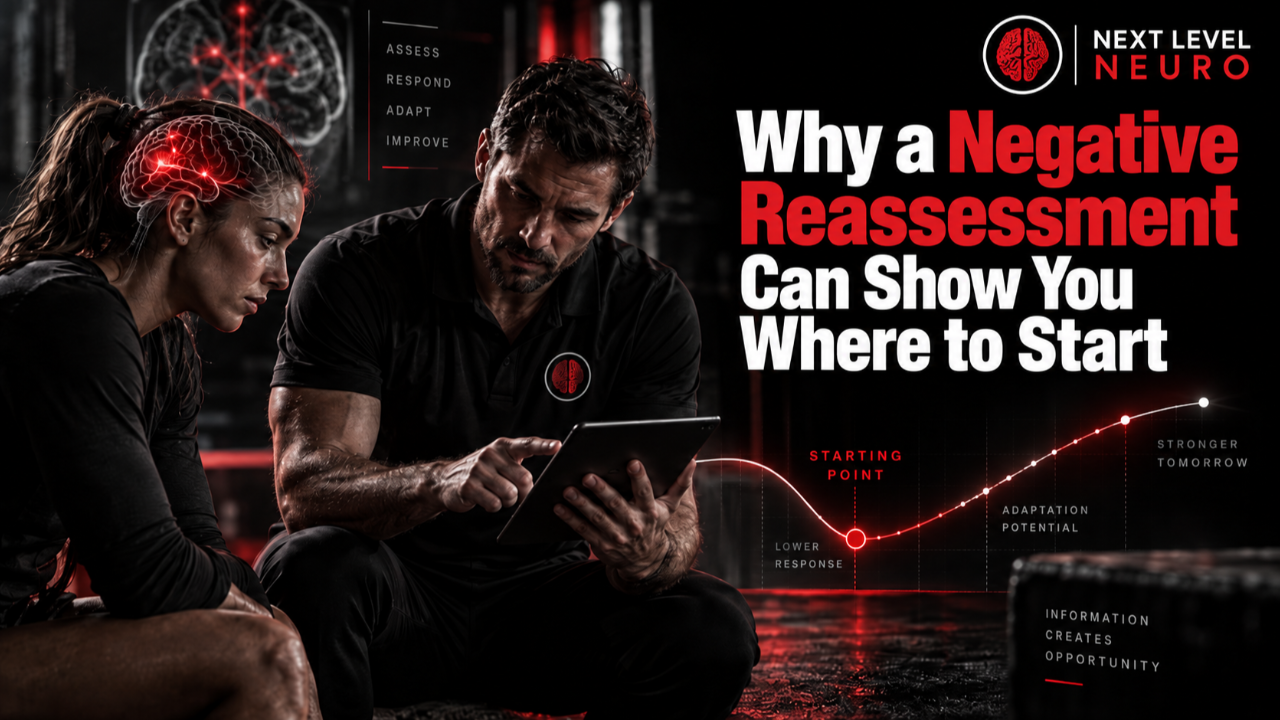
Sometimes the nervous system gives you more information when you carefully find its limit than when you keep trying to make every input feel better.
We had one of those clients who just didn't fit...
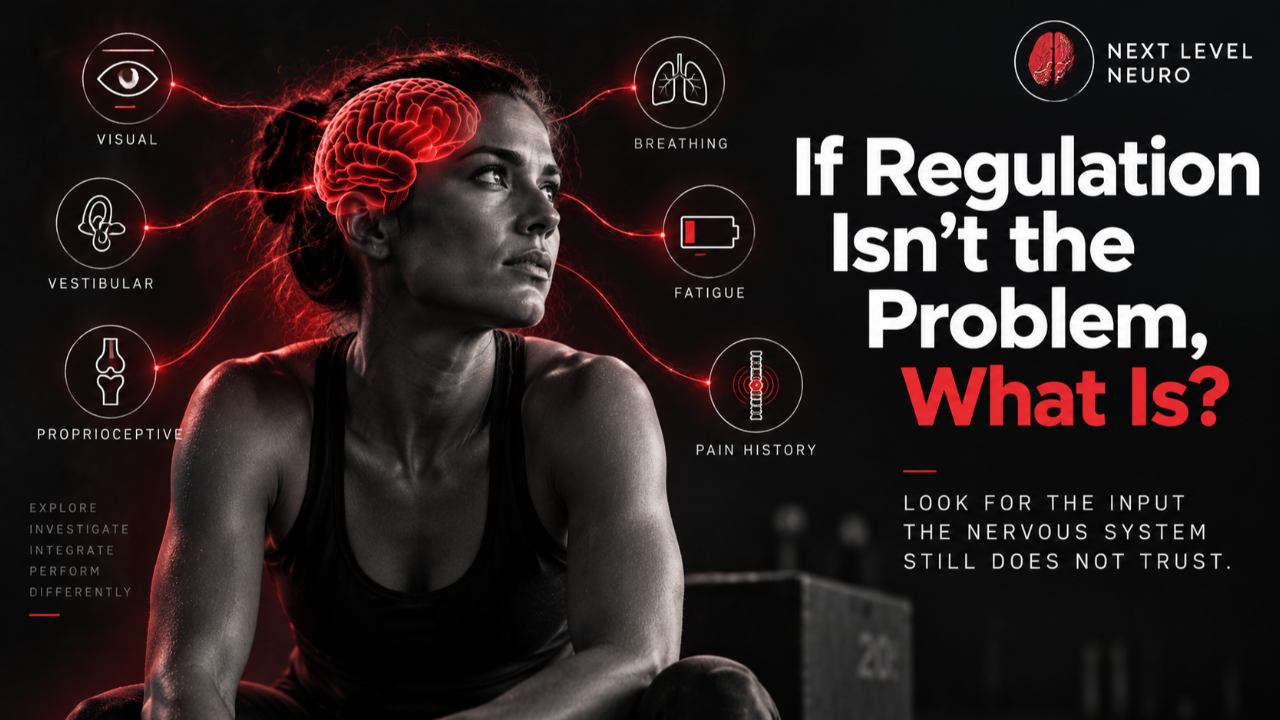
What do you do now? Your client looks regulated. Their nervous system seems ready. But their movement, pain, strength, or performance still isn’t changing. Now what?
The question this article an...
After years of teaching Applied Neurology, these are some of the questions we hear most often.
There is a point in every practitioner’s education where more information stops being the answer.
Ever...
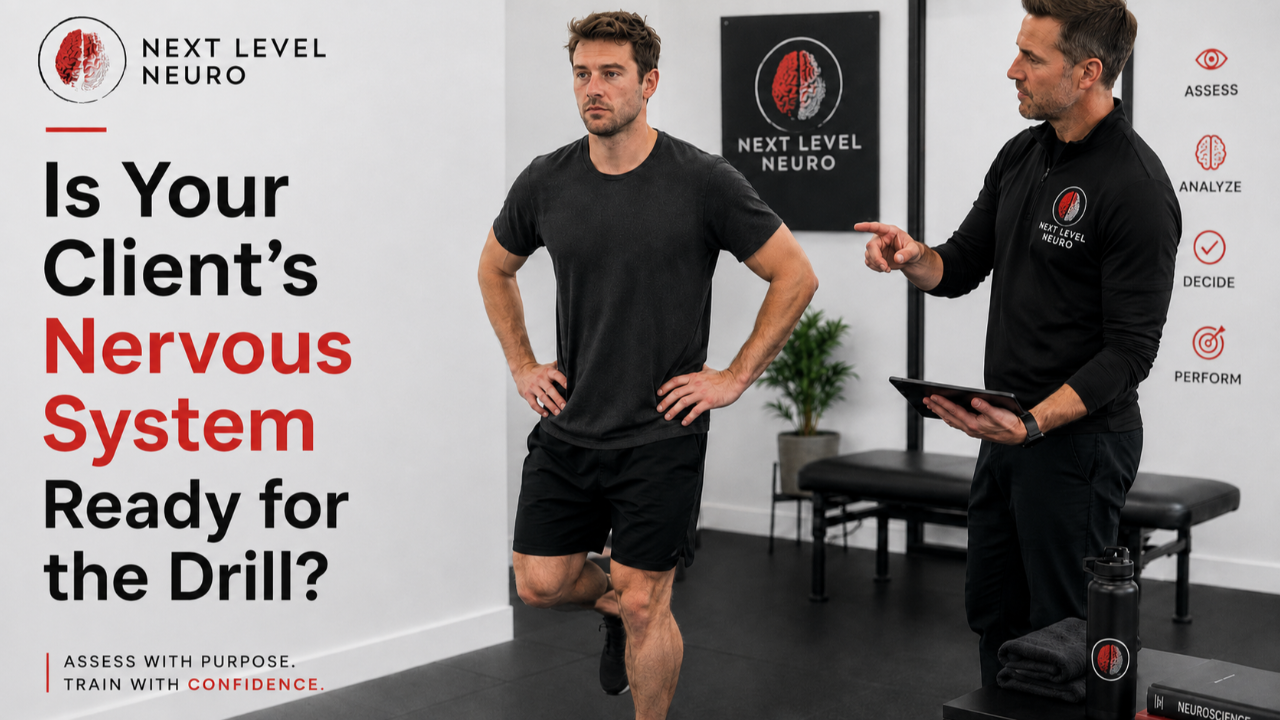
The drill may be appropriate. The nervous system may not be ready for it yet.How to adjust neurological input based on the client standing in front of you today
The question this article...
This past weekend we covered a new seven-part framework for helping therapists and coaches assess the nervous system, improve client results, and integrate applied neurology into the work they already...
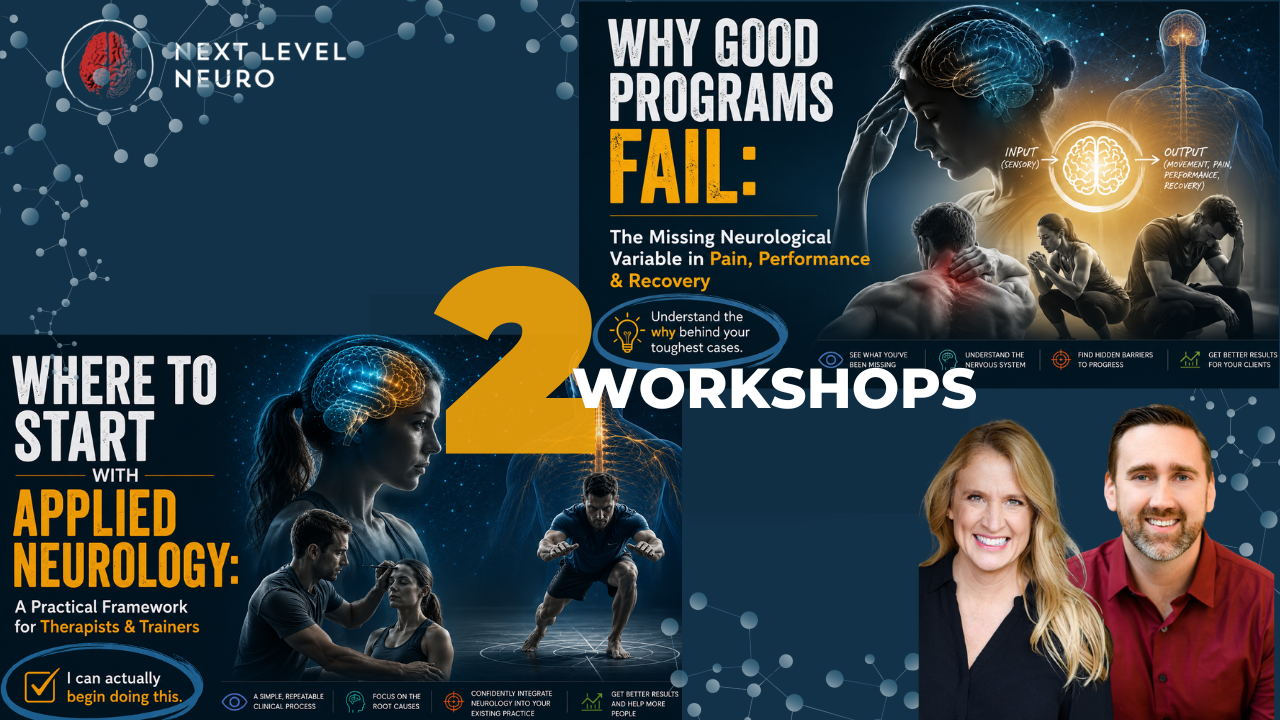
These two Applied Neurology workshops are a great starting point if you have ever wondered why some c...
Most therapists and movement professionals understand that the nervous system matters, but many are still unclear on the difference between medical neurology and applied neurology, and where each ...
Why Therapists Need a Brain-Based Framework for Better Client Outcomes
How the Six Golden Rules of Applied Neurology help therapists stop guessing, personalize interventions, and create measurable ch...

Why “safe or unsafe” decides pain, posture, strength, and behavior before you ever cue a muscle
Question this article answers: What does “threat” mean in the body, and why does it change pain, move
...
Question this article answers: Why does breathing change pain, performance, emotional regulation, and learning in ways that feel
...

The question this article answers:
Why do smart, caring therapists, coaches, and trainers still hesitate in se
...
If your imaging is normal, why does the pain still exist?
Why does pain continue when imaging shows no structural damage and tissues appear healed?
Direct Ans...
Why do clients avoid certain movements even when they are strong, capable, and motivated?
...
Direct Answer
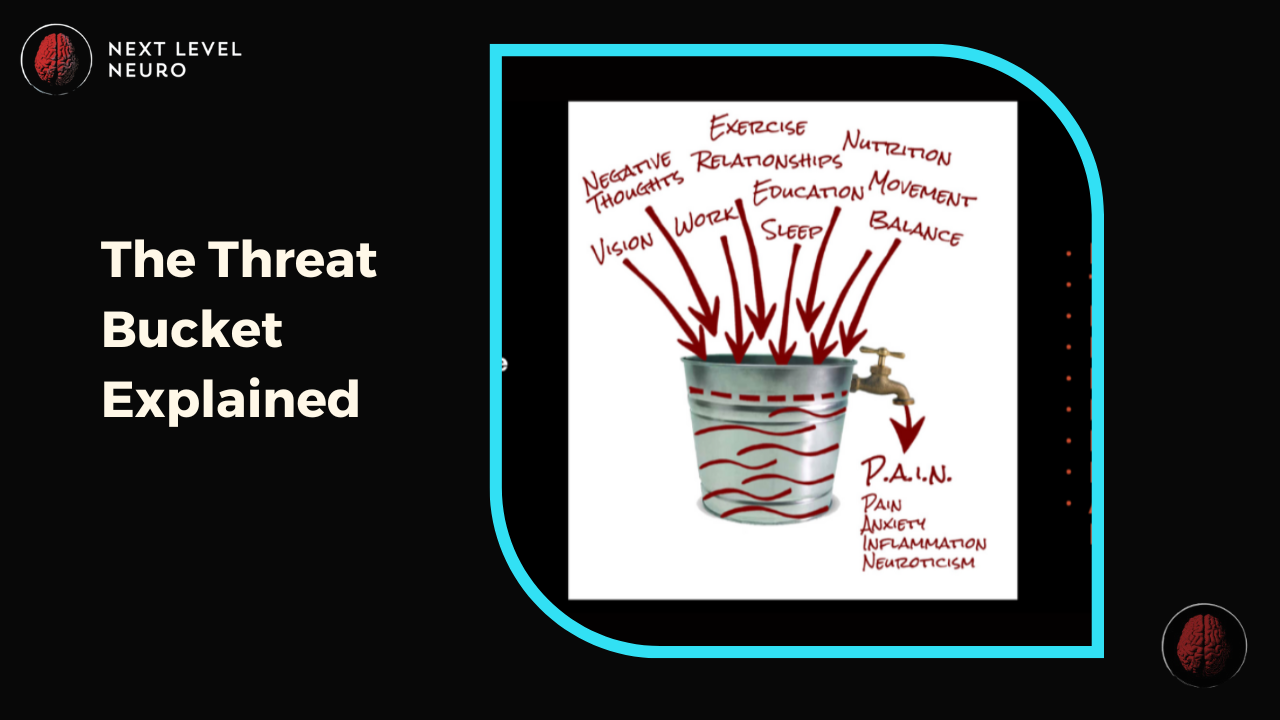
Why do clients stay in pain, fatigued, or dysregulated when biomechanics look normal but stress load is high?
T...

If pain often persists without clear tissue damage, where is it actually coming from — and how do we work wit...
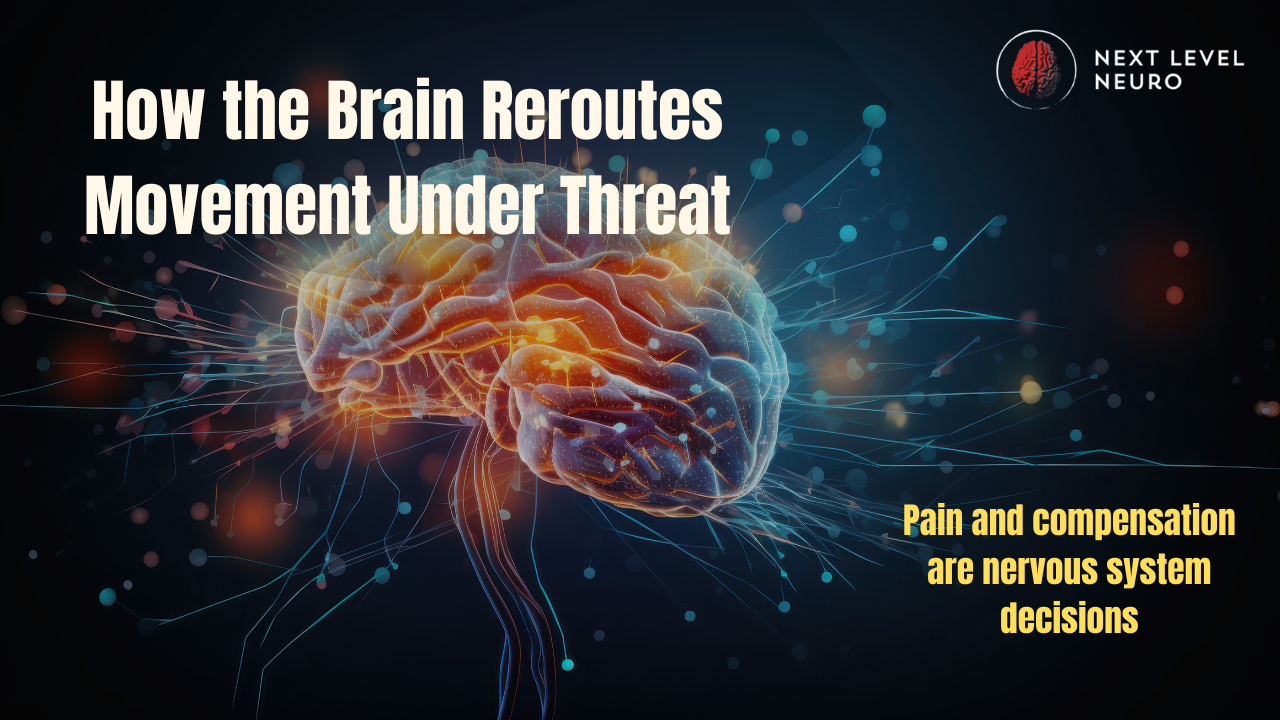
How does the brain reroute movement under threat, and why does this override biomechanics, strengt...
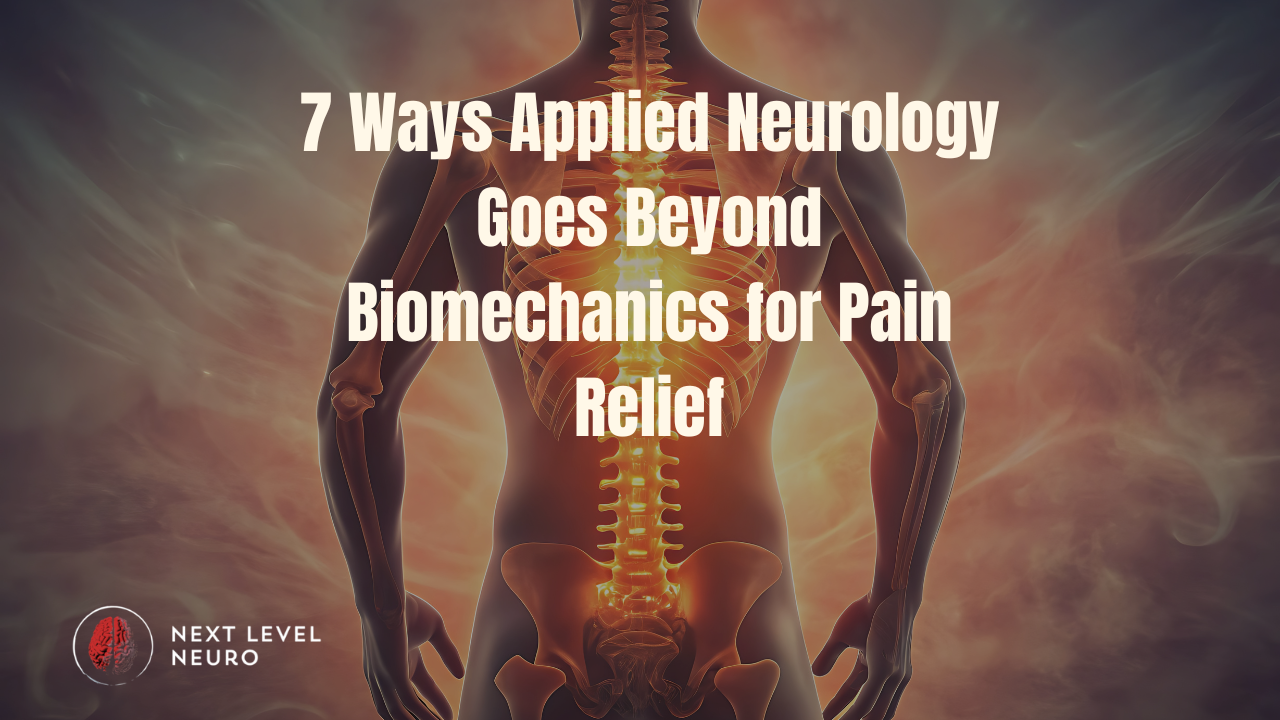
Modern neuroscience shows that pain, strength, mobility, and coordination are not purely mechanical...

Why does the traditional biomechanical model fail to explain and res...

A client gets stronger…
but not more stable.
Their mobility increases…
but the pain stays.
They follow the program…
....but progress stalls.
This usually has nothing to...

When Warm-Ups Go Wrong
Most coaches and therapists agree that warm-ups prepare the body for performance.
Few realize that every warm-up also prepares or overwhelms the brain.
In applied neurology, w...

If you have ever corrected a client’s form only to watch the same problem return a week later, you are not alone. The issue may not be strength, mobility, or compliance.
It may be sensory mismatch.
...