
Next Level Neuro News
Breathing, body awareness, movement confidence, and how to help clients use what they gain beyond your session.
Your client moves better in the session.
They feel more confident, and you both le...
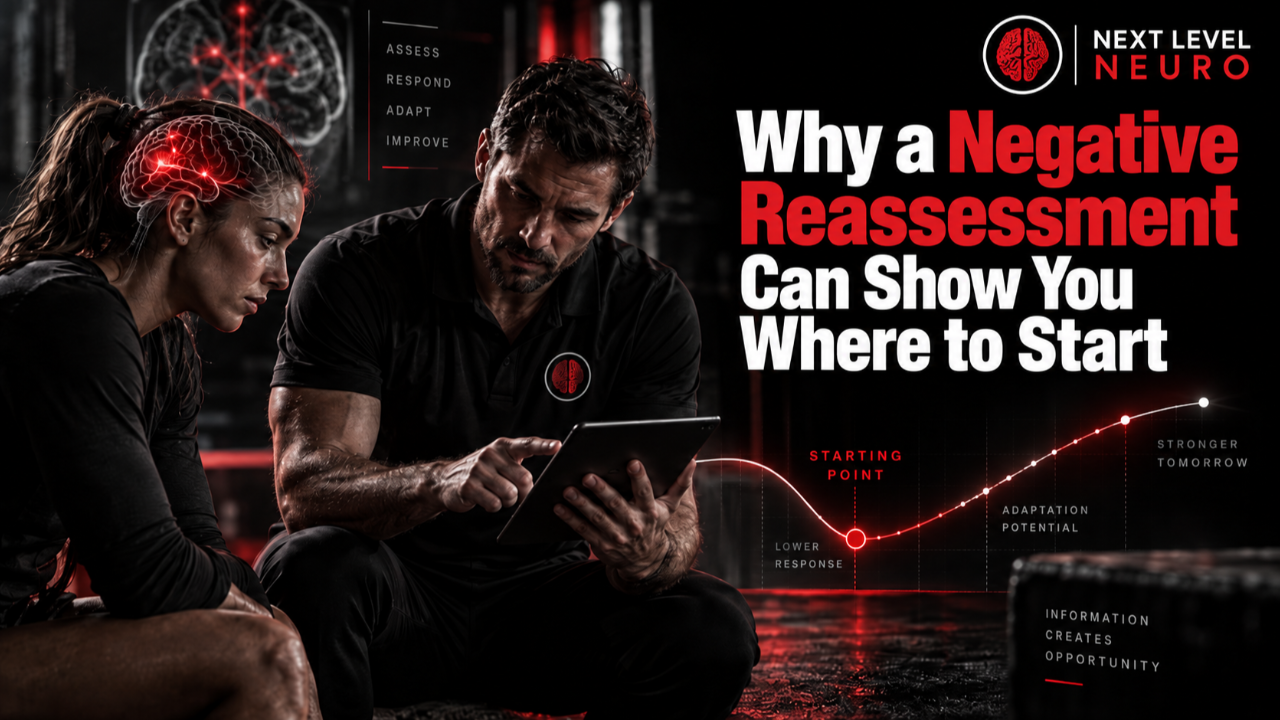
Sometimes the nervous system gives you more information when you carefully find its limit than when you keep trying to make every input feel better.
We had one of those clients who just didn't fit...
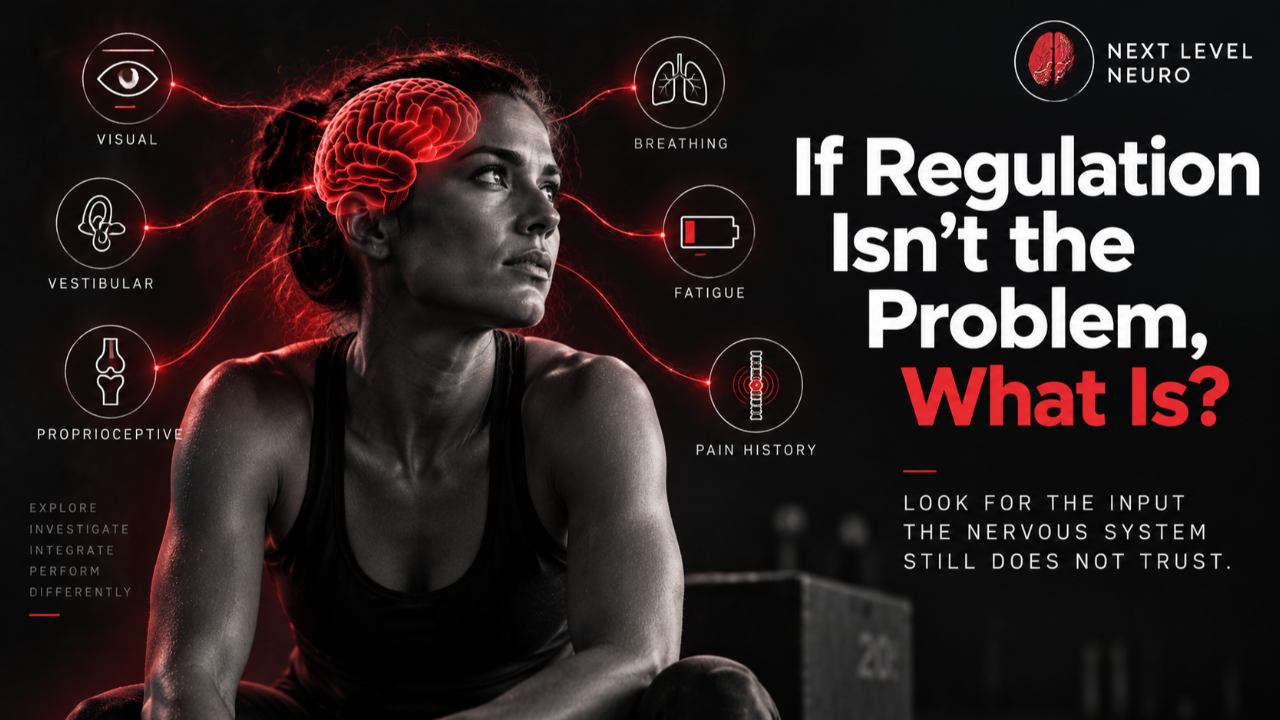
What do you do now? Your client looks regulated. Their nervous system seems ready. But their movement, pain, strength, or performance still isn’t changing. Now what?
The question this article an...
After years of teaching Applied Neurology, these are some of the questions we hear most often.
There is a point in every practitioner’s education where more information stops being the answer.
Ever...
The drill may be appropriate. The nervous system may not be ready for it yet.How to adjust neurological input based on the client standing in front of you today
The question this article...
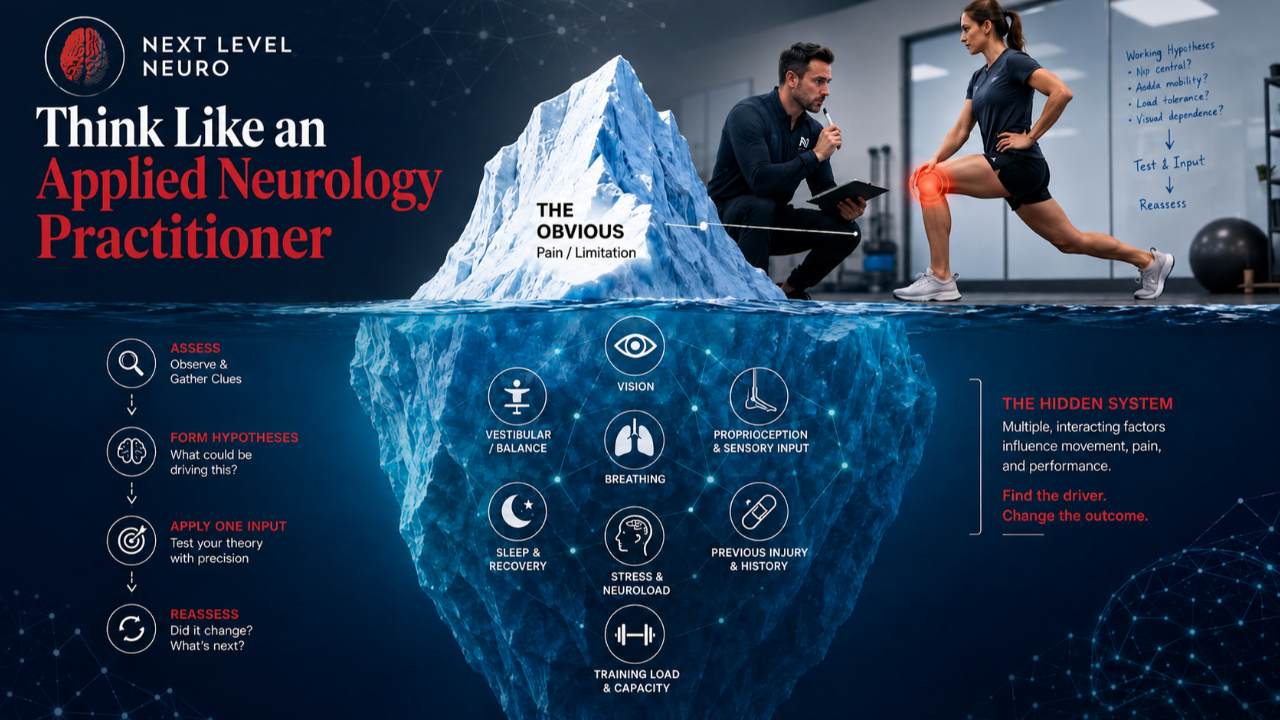
Are You Learning Neuro Protocols, or Learning How to Think Like an Applied Neuro Practitioner?
The question this article answers is:
Are you trying to memorize applied neurology protocols, or a...
Why another five reps can turn a useful neurological input into the wrong dose
What This Article Answers
Can you do too much of a neuro drill even when the drill is helping?
Why can a posit...
Why learning more drills does not always make it easier to know what to do with the person standing in front of you
What This Article Answers
Why can a practitioner know dozens of neuro drills and
...
This past weekend we covered a new seven-part framework for helping therapists and coaches assess the nervous system, improve client results, and integrate applied neurology into the work they already...
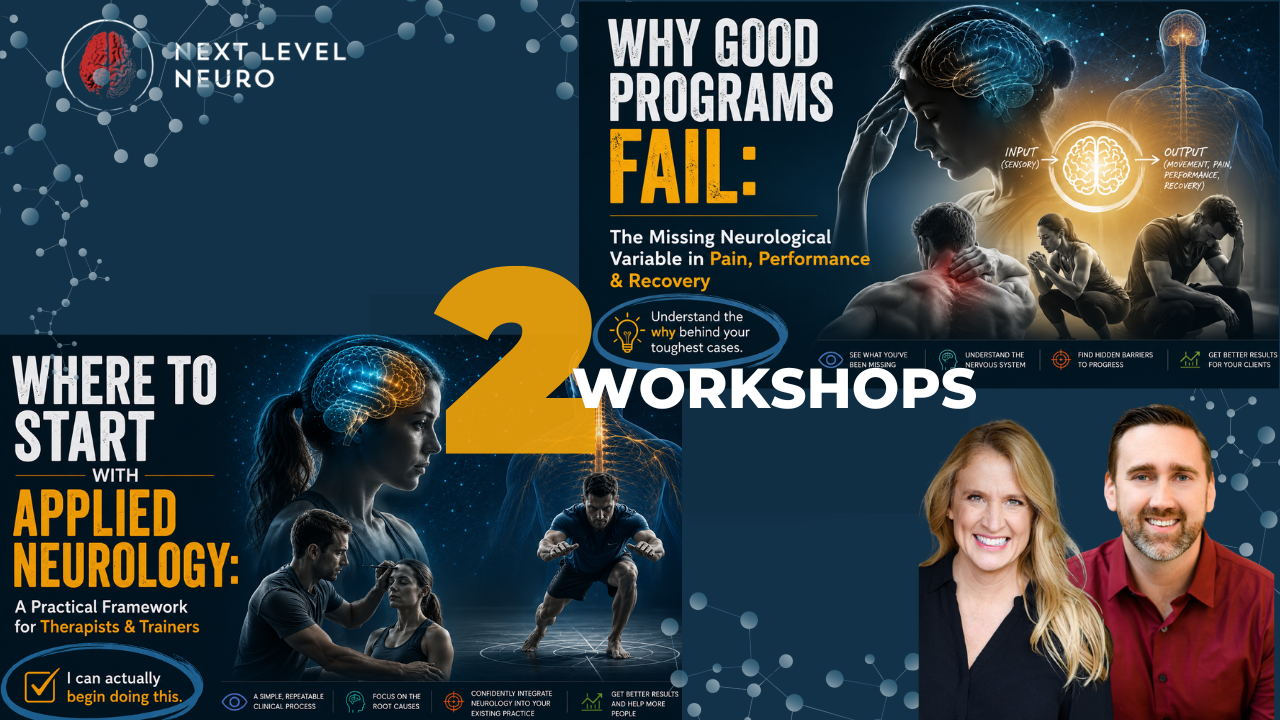
Why Good Programs Fail and Where Do We Start With Applied Neurology during our client session.
These two Applied Neurology workshops are a great starting point if you have ever wondered why some c...
Why Pain, Posture, and Movement Are Not Always Biomechanical Problems
The question this article is trying to answer:
Why do so many clients continue to struggle with pain, posture, mobility, a...
Most therapists and movement professionals understand that the nervous system matters, but many are still unclear on the difference between medical neurology and applied neurology, and where each ...
You Do Not Need to Become a Neuroscientist to Start Thinking Brain-First
The question this article answers:
How do I know if the session I just gave my client actually helped their nervous sys...
A Practical Way for Therapists, Trainers, and Coaches to Use Neurology Without Throwing Away Everything They Already Know
The question this article answers:
How do I begin using applied neurol...
Why therapists, coaches, and rehab professionals need a brain-based model for pain, movement, and long-term client results
The Question This Article Answers
Why is applied neurology becoming essen...
Why Therapists Need a Brain-Based Framework for Better Client Outcomes
How the Six Golden Rules of Applied Neurology help therapists stop guessing, personalize interventions, and create measurable ch...
Why “that feels better” is not enough, and how the assess-reassess loop shows whether the nervous system actually changed.
The question this article answers:
How can therapists, coaches, and movem
...
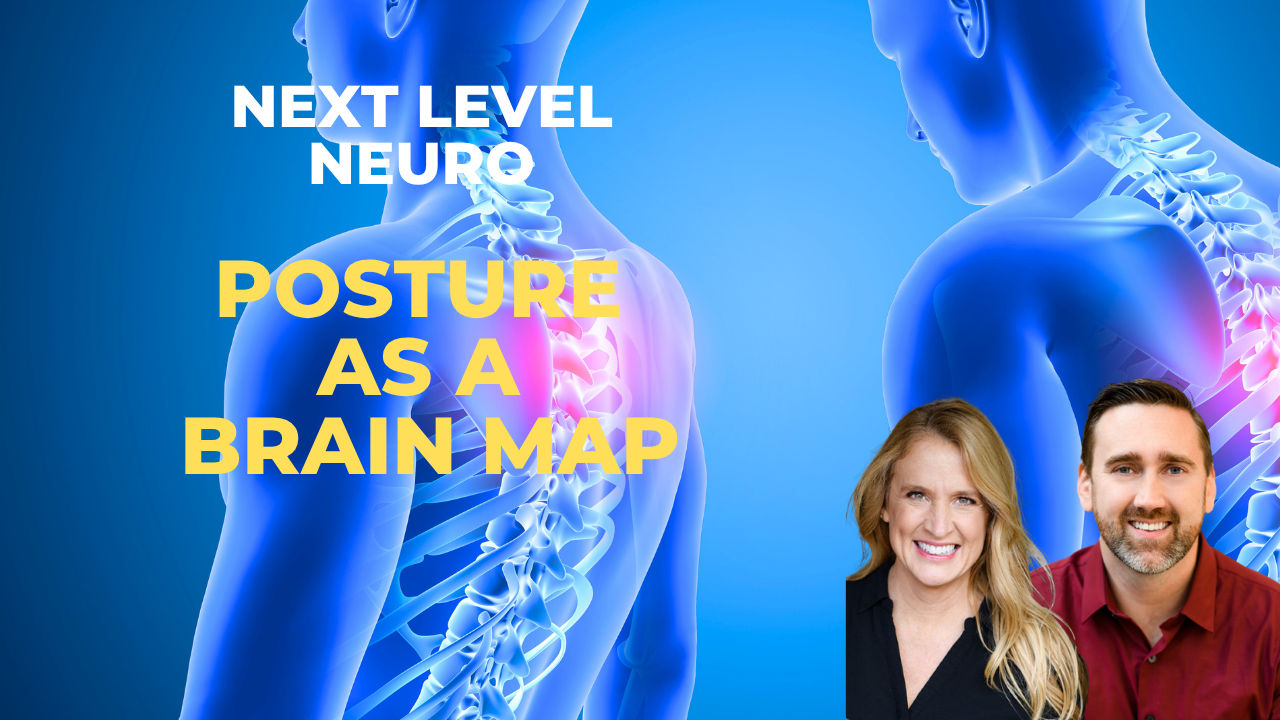
What Posture Tells Us About the Nervous System
The question this article answers:
What can posture tell therapists, coaches, and movement professionals about the brain, sensory systems, and hidden
...

A neurological explanation of posture for therapists & coaches
The question this post answers:
Why do posture problems keep returning, even when you use good treatment, smart exercise progression...

Why “safe or unsafe” decides pain, posture, strength, and behavior before you ever cue a muscle
Question this article answers: What does “threat” mean in the body, and why does it change pain, move
...
Clients do not just want a plan anymore. They want to feel that something is changing, IN THE FIRST SESSION.
This article will answer the question:
How does the assess-and-reassess process change ...
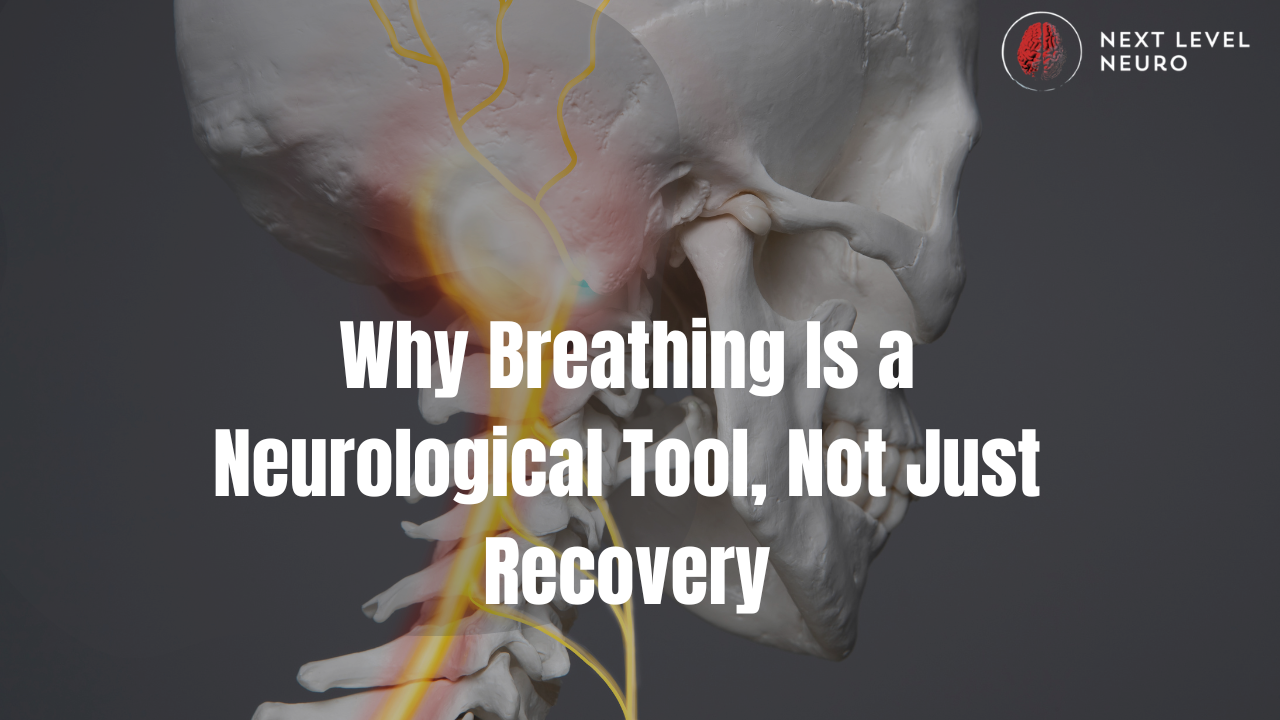
The neuroscience of CO₂ tolerance and why it primes neuroplasticity
Question this article answers: Why does breathing change pain, performance, emotional regulation, and learning in ways that feel
...

Why Neural Adaptation Changes Everything
This article answers the question: Why does neural adaptation change everything in rehabilitation and strength training?
If you have ever looked at a pr...

Why your best strength program fails when the nervous system can’t shift states
Question this article answers: Why do clients plateau, flare up, or feel inconsistent even when their strength work
...
